






loader image

Dry Eye Clinic in Vancouver, BC

Our Vancouver dry eye clinic diagnoses the root cause of dry eye with Firefly digital meibography — photographing the oil glands in your eyelids — and treats it with InMode Lumecca IPL (intense pulsed light), Forma-i radiofrequency, gland expression, prescription drops and personalized home therapy. Most dry eye is caused by blocked oil glands, not a lack of tears.

Stinging, burning, or scratchy sensation

Stringy mucus in or around the eyes

Sensitivity to light

Redness of the eyes

Feels like something is in your eye

Difficulty wearing contact lenses

Blurry vision after a long day

What Is Dry Eye Disease?

Dry eye disease is a chronic condition in which the eyes either don’t produce enough quality tears or the tears evaporate too quickly. Most cases involve the meibomian glands — small oil glands along the eyelids that release the protective outer layer of the tear film. When these glands become blocked or dysfunctional (meibomian gland dysfunction, or MGD), tears evaporate within seconds of blinking, and the eye’s surface becomes inflamed and irritated.

Symptoms: Burning, Gritty — and Surprisingly, Watery

Common symptoms include burning, stinging, grittiness, a sand-in-the-eye feeling, redness, blurred vision that clears with blinking, light sensitivity and contact lens discomfort. Many patients are surprised to learn that constantly watery eyes are a classic dry eye sign: when the tear film evaporates too fast, the eye floods with poor-quality reflex tears that don’t stay on the surface — so the cycle repeats.

Why Is Dry Eye So Common in Vancouver?

Dry eye is driven by a combination of age, hormonal changes, medications, rosacea, autoimmune conditions and environment. In Vancouver specifically, two drivers dominate what we see in clinic: long screen hours — your blink rate can drop by half at a computer, so the oil glands are never properly expressed — and indoor heating through the damp winter months, which dries the air while the glands stagnate. Office workers and heavy device users are our most common dry eye patients, which is why we also screen for computer vision syndrome.

How We Diagnose the Cause — Not Just the Symptom

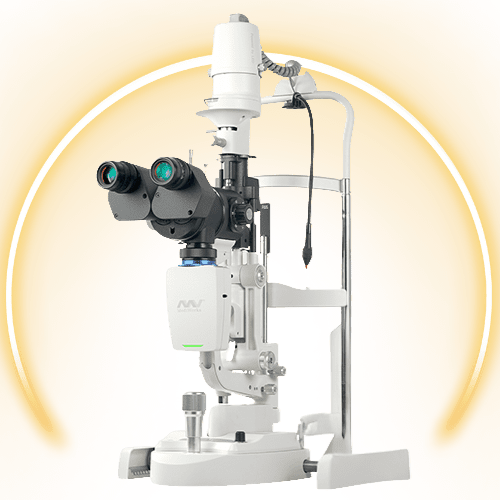
Effective treatment starts with knowing exactly what’s wrong. Our Firefly WDR digital slit lamp with integrated meibography photographs the meibomian glands inside your eyelids, showing blockage and gland dropout in high definition. Combined with the Envision by InMode imaging system, tear-film assessment and a detailed lifestyle history, this lets us pinpoint whether your dry eye is evaporative, aqueous-deficient or mixed — and how advanced it is. Because we re-image your glands at follow-ups, you see your progress objectively, not anecdotally. Early diagnosis matters: gland dropout is permanent, so the glands we save are the glands you keep for life.

Listen to Our Dry Eye Relief Podcast


Dry Eye Treatments at Our Vancouver Clinic

  • InMode Lumecca IPL — non-invasive intense pulsed light therapy that targets the inflammation driving gland dysfunction, stabilizing the tear film and reducing evaporation
  • Forma-i radiofrequency — controlled gentle heating of the eyelids that unclogs oil glands and improves the quality of gland secretions
  • Manual gland expression and heated compresses — in-office clearing of blocked glands
  • Prescription anti-inflammatory and medicated eye drops — for flare control and long-term surface health
  • Omega-3 supplementation, lid hygiene protocols, blink retraining and environmental coaching — the daily habits that keep results lasting
  • Contact lens adjustments — material and wearing-schedule changes for lens wearers with dryness

Most patients do best with a combination of two or three approaches, tailored to their gland imaging and lifestyle, with follow-ups to fine-tune the plan.

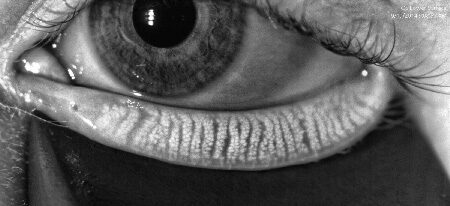
Normal Eyelid (meibomian) Glands:

Meibomian glands produce the oils needed for a healthy tear film

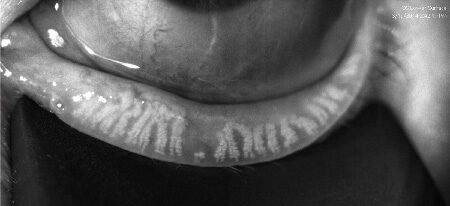
Gland (oil) Dropout:

MGD occurs when the meibomian glands become blocked. If this blockage is left untreated the glands will drop out entirely.

What to Expect at Your Dry Eye Consultation

Your visit starts with the SPEED questionnaire — a validated symptom score that gives us an objective baseline. We then image your meibomian glands, measure how quickly your tears break up, and examine your lids and blink pattern. You’ll see your own gland photos on screen while your doctor explains what they mean and which treatments fit your findings and budget. Most patients leave with a staged plan: what we do in clinic, what you do at home, and when we re-image to confirm it’s working. Book a dedicated dry eye consultation online or call or text (604) 777-7579 — mention dry eye so we schedule the right diagnostics in advance.

InMode Lumecca IPL Revolutionizing Dry Eye Care

InMode Lumecca Intense Pulse Light (IPL) treatment is a non-invasive therapy that uses light pulses to address inflammation and other underlying causes of dry eye syndrome. It primarily targets the meibomian glands responsible for producing the oily layer of the tear film. By improving the function of these glands, IPL treatment helps to stabilize the tear film, reduce tear evaporation, and alleviate symptoms of dry eye, thereby promoting healthier and more comfortable eyes.

Improving Tear Film Stability with InMode's Forma-i Radiofrequency

Radiofrequency treatment using Forma-i from InMode primarily focuses on improving the function of the meibomian glands in the eyelids. This non-invasive treatment applies controlled radiofrequency energy to gently heat the eyelid tissues. The heat helps to unclog the oil glands, promoting better secretion and quality of the oils that form part of the tear film. This in turn helps to stabilize the tear film, reduce tear evaporation, and alleviate the symptoms of dry eye syndrome.


Frequently Asked Questions

Because most dry eye is caused by blocked oil glands, not low tear volume — over-the-counter drops mask symptoms for minutes but don’t treat the glands. Gland-targeted treatments like IPL, radiofrequency and expression address the cause.

When tears evaporate too quickly, the irritated eye surface triggers a flood of watery reflex tears that lack the oily layer needed to stay on the eye — so they spill over and the dryness continues underneath.

Dry eye is managed rather than cured, but with gland-targeted treatment most patients achieve lasting daily comfort. The key is starting before meibomian glands are permanently lost.

Yes. LASIK temporarily disrupts corneal nerves that regulate tear production, and dryness for weeks to months afterward is common. Pre-existing gland dysfunction, higher prescriptions and certain medications raise the risk — a tear-film assessment before surgery is the best predictor.

Follow the 20-20-20 rule (every 20 minutes, look 20 feet away for 20 seconds), complete your blinks consciously, position screens slightly below eye level and use a humidifier. Habits help — but they can’t unblock glands, so persistent symptoms deserve an assessment.

Extended health plans often cover the assessment, and medically necessary visits may qualify under MSP. We direct-bill most major BC insurers — book a dry eye consultation or call or text (604) 777-7579 and mention dry eye so we schedule the right diagnostics.

Dry Eye Treatment With Radiofrequency from Inmode

We're excited to introduce the revolutionary radiofrequency technology, Forma-i from Inmode, along with intense pulsed light therapy using Lumecca-i from Inmode to treat dry eyes.

Dry Eye Questionnaire

Take the DEQ-5 Dry Eye Questionnaire to assess the symptoms of your eyes that could be hindering the quality of your vision.